Emergency Plumbing in Georgetown
Toilet Overflowing in Georgetown
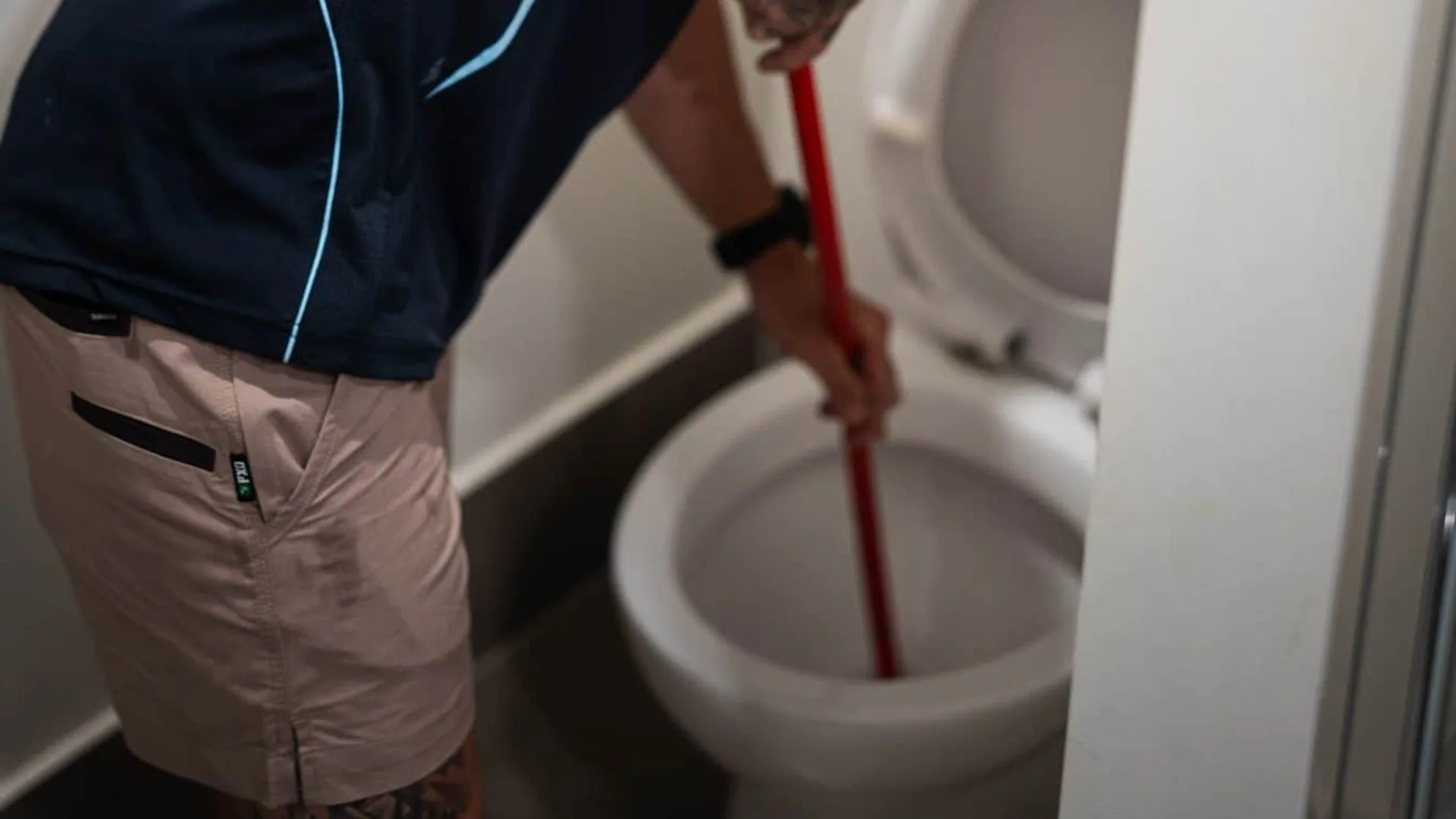
Water coming up through the pan instead of going down is not a wait-and-see job. We treat an overflowing toilet as front-of-queue work across Georgetown and the suburbs beside it, with the $0 call out and a quote before anything starts.
What's making the water rise
There are four usual suspects, and they run from a small part to a dug-up yard. Knowing which one you're facing changes how urgent the call is.
A cistern part that has worn out
A worn flapper or float valve lets the tank refill nonstop, so water creeps over the internal overflow and out. The fix is a small part inside the cistern, not a drain job.
A blocked pan trap or branch line
Paper, wet wipes and the odd toy block the trap or the short branch line to the gully, backing water up one bathroom's worth. The right gear clears it without drama.
Tree roots in the old sewer
Mature street trees push roots into cracked clay joints under the cottage, and every downstream fixture feeds the same choke. The bowl shows it first because it sits lowest in the house.
Stormwater backing up the main line
When the Throsby Creek catchment surcharges after rain, old sewers fill faster than they drain and push water back up the lowest pans. If the loo rises mid-storm, that's the one.
Why older streets here cop it more
The pipe itself is the age of the house.
Then the trees pile on.
And the catchment adds storm pressure.
What you can safely check first
Five minutes of the right moves stops water going where it shouldn't. None of this needs tools beyond a cloth and a torch.
Look inside the cistern
Lift the lid and check the simple things first. A chain off its hook or a float stuck up explains a surprising share of running tanks, and pushing it back stops the refill.
Shut off the supply
Turn the small isolation tap beside the cistern clockwise, or lift the float and clip it while you wait. Either move stops the level climbing before it reaches the rim and spills.
One gentle plunge, then stop
Try one or two soft plunges only. Hard plunging on a brittle earthenware branch can crack an old joint, and a blockage we could jet becomes a pipe you have to open up.
Watch what the other drains do
Run a laundry tap and watch the outside gully. Water rising there while the pan backs up points to the shared sewer, which is drain gear territory rather than a plunger job.
When it's time to call
Stop diagnosing and ring us when any of these shows up:
- The level keeps climbing after the supply is off.
- Water is coming up through the shower or floor waste as well.
- More than one fixture is backing up at once, which almost always means the main line.
- Anything is flooding past the bathroom door.
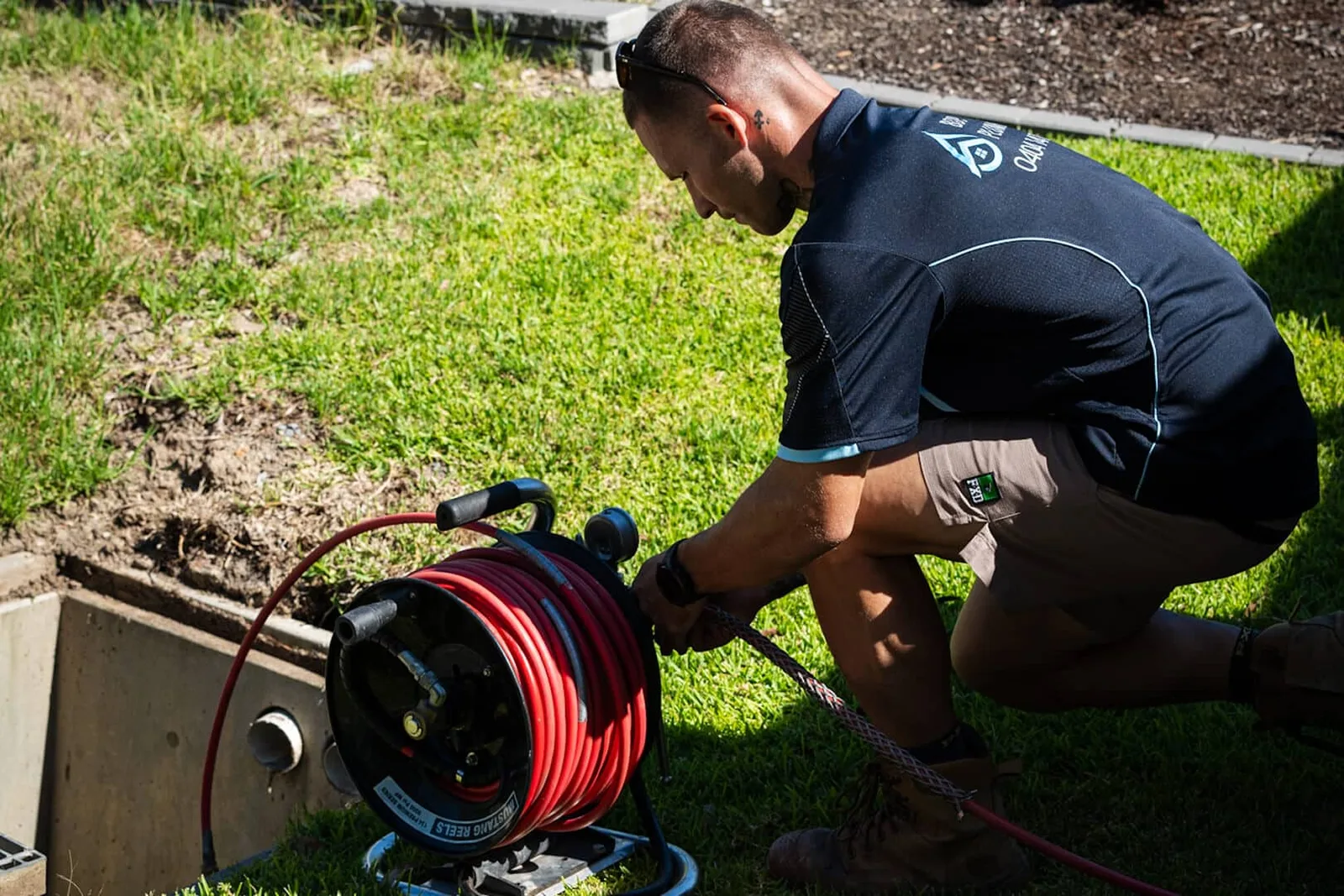
A century of clay pipe under these cottages needs a camera or a jetter, not guesswork. Wet floorboards, warped skirtings and water tracking into wall cavities cost far more to put right than the plumbing itself, so earlier beats braver.
How the job runs
Every overflowing pan gets the same sequence, and you see the price before a tool comes out.
- 1
Call and tell us
Ring (02) 4063 3422 and tell us what's going on in Georgetown. We'll ask a few quick questions so the right gear is on the truck the first time.
- 2
Quote before work
You get the price before anything starts. No call-out fee, no hourly surprises; you approve the quote or we shake hands and leave, no charge.
- 3
Clear, test and confirm
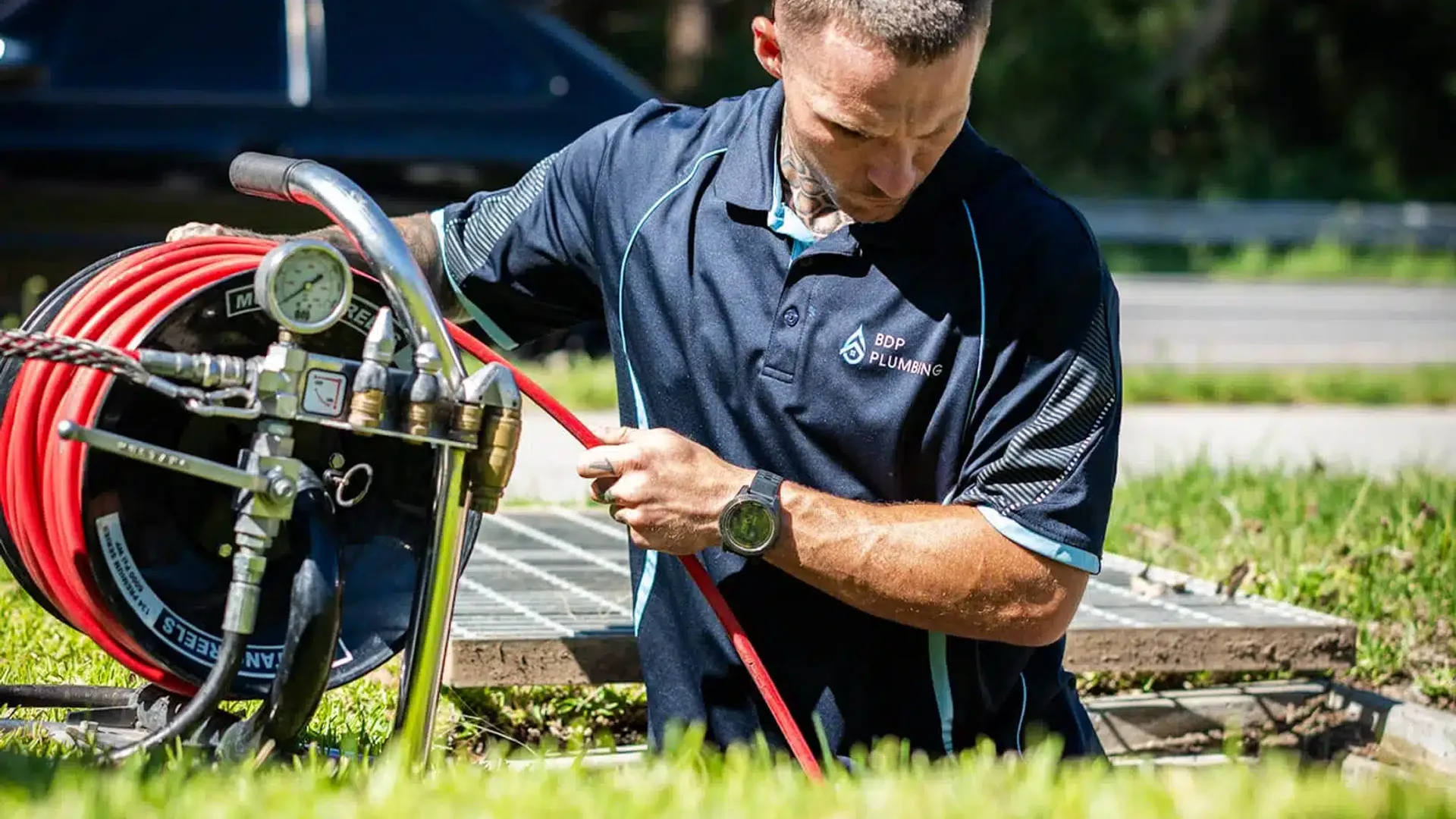
For an overflowing pan that means plunging, jetting or cutting roots back through the line, then flushing hard and checking the water settles where it should.
- 4
Backed, no questions asked
If something isn't up to standard afterwards, we come back and make it right, no questions asked. That's the standard every Georgetown job is held to.
Why locals stick with us
$0 Call Out
Quote First, Always
Licensed Local Plumbers
Made Right, No Questions Asked
Four lines, and they hold whether the fix takes ten minutes or the whole afternoon.
Questions we hear about overflowing toilets
Is an overflowing loo an emergency?
If water is reaching the rim, coming up through other drains or flooding a floor, yes. Damage spreads through floorboards and skirtings fast, and the cause usually sits in the sewer.
Why does the toilet back up when the washing machine drains?
Both fixtures share the same sewer run, so a choke shows up wherever the lowest outlet happens to be. On the old clay pipes under Moate Street, that choke is very often roots.
Can tree roots really push water back up the pan?
They can. Roots mat together inside the pipe until solids catch behind them, and the water then has nowhere to go except back up the lowest point, which is usually the toilet.
Should I keep plunging while I wait?
One or two gentle plunges is plenty. A hard, repeated plunge can crack an old clay joint, and a simple clear-out turns into a repair bill before we even arrive.
Will you have to dig up the yard to fix it?
Usually not. Most overflows clear through existing openings with plunging, jetting or root cutting, and if a camera check shows a collapsed section, the cost lands in writing before any digging starts.
What happens after the blockage is cleared?
We flush the run properly and check the water settles at the right level in the pan. If the pipe behind it looks likely to choke again, we quote what prevents it.
Plumbers in Georgetown and the suburbs around it
The fast way to get it stopped
Call (02) 4063 3422 and tell us what's happening. $0 call out across Georgetown, a clear quote before any work starts, and a job that gets made right if it isn't right the first time.
For the wider picture on after-hours work, including burst pipes and hot water failures, the emergency plumbing hub has the full run-down, or head back to the home page to see everything we cover.